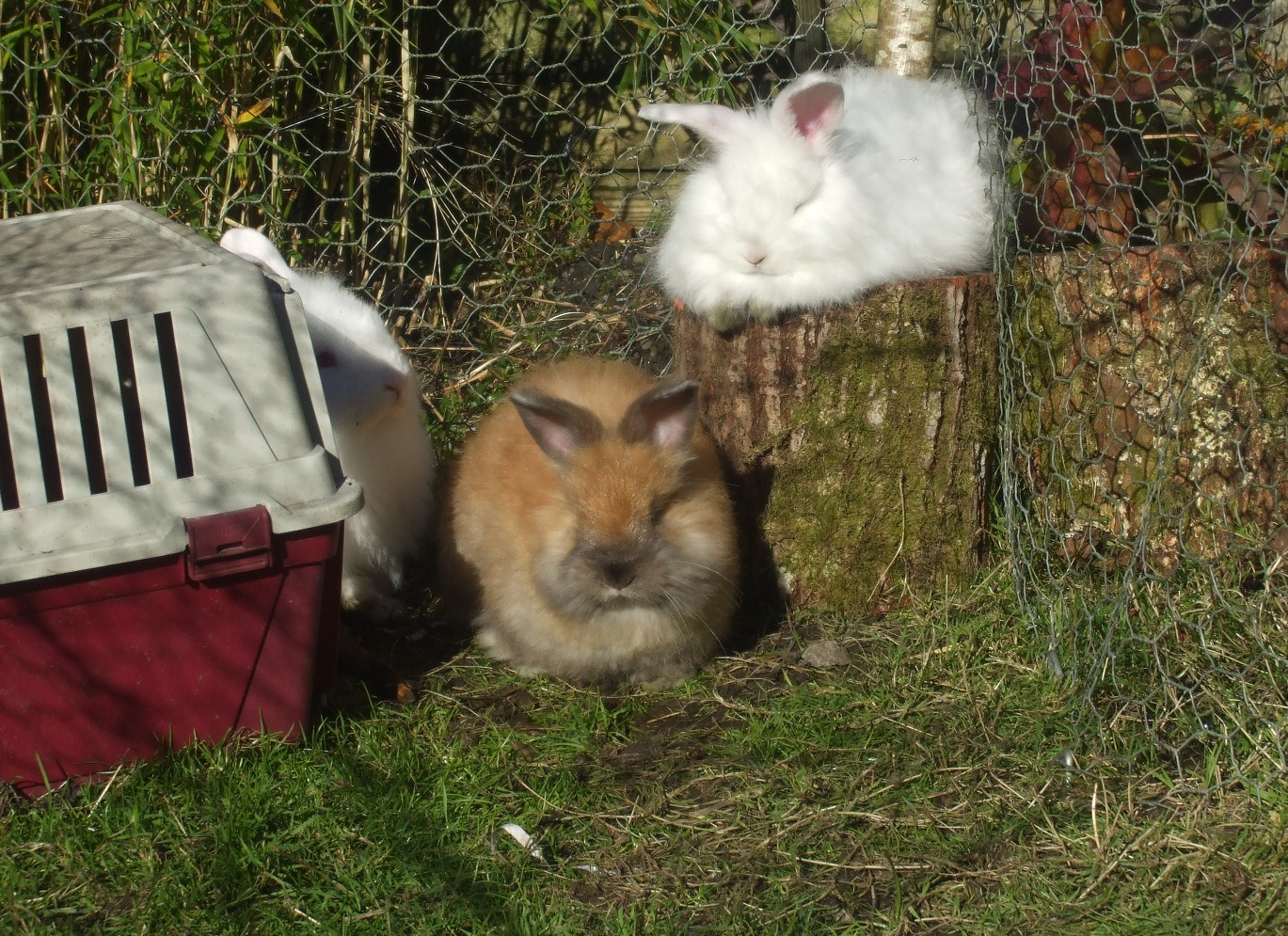
Cometh the Rabbits
We have been talking for ages about our potential business plan, Janet has done a few courses and I had done lots of research but still we had no experience.
We believe there is a niche market for ethically produced, British Angora wool. It wont make us a fortune but we're not looking for that, we're after an income to enable us to live a low carbon, sustainable life.
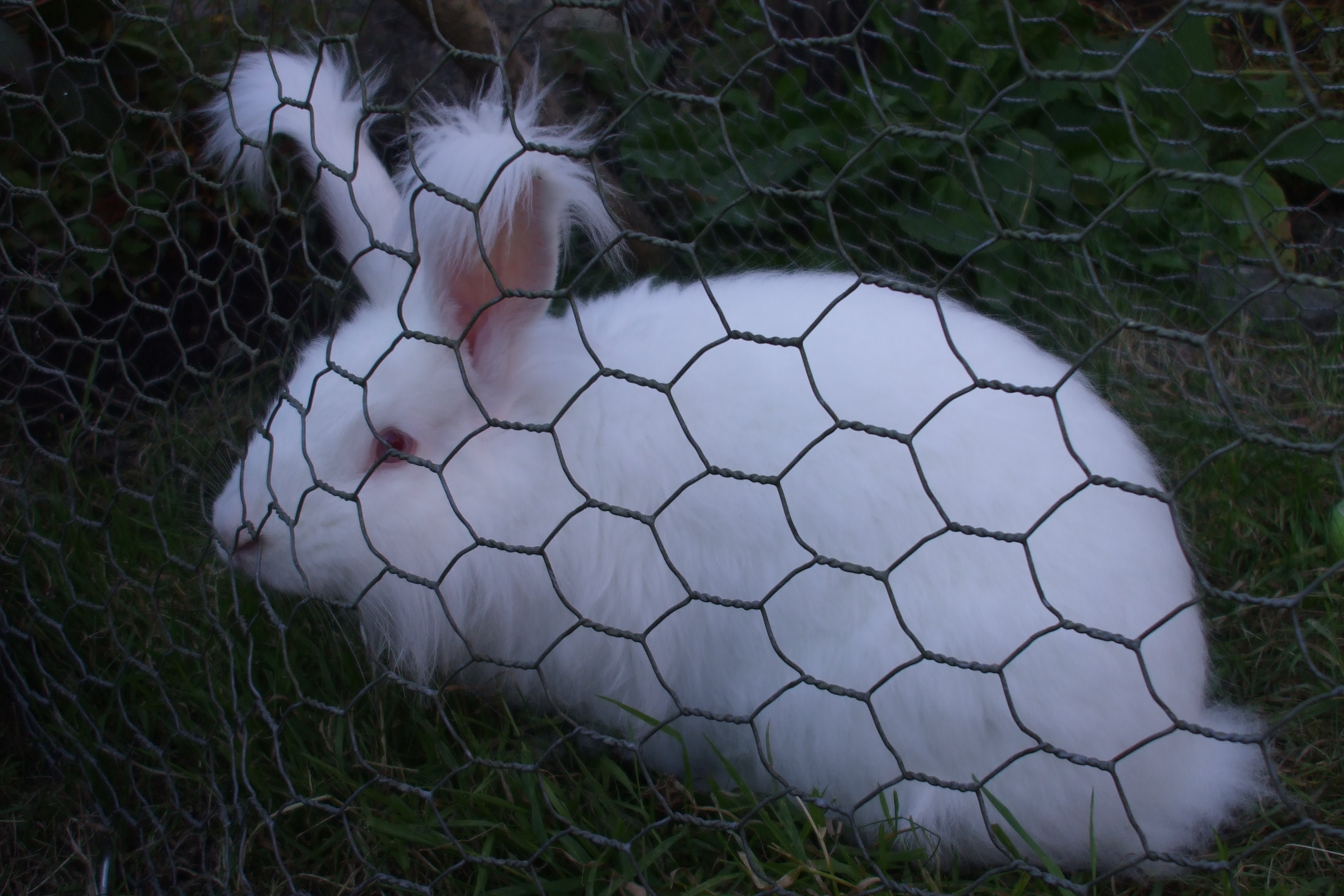
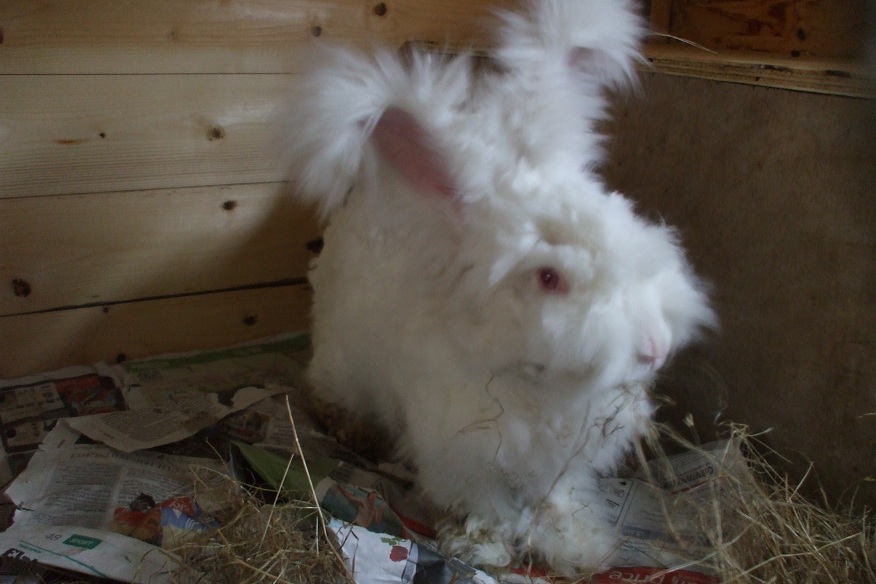
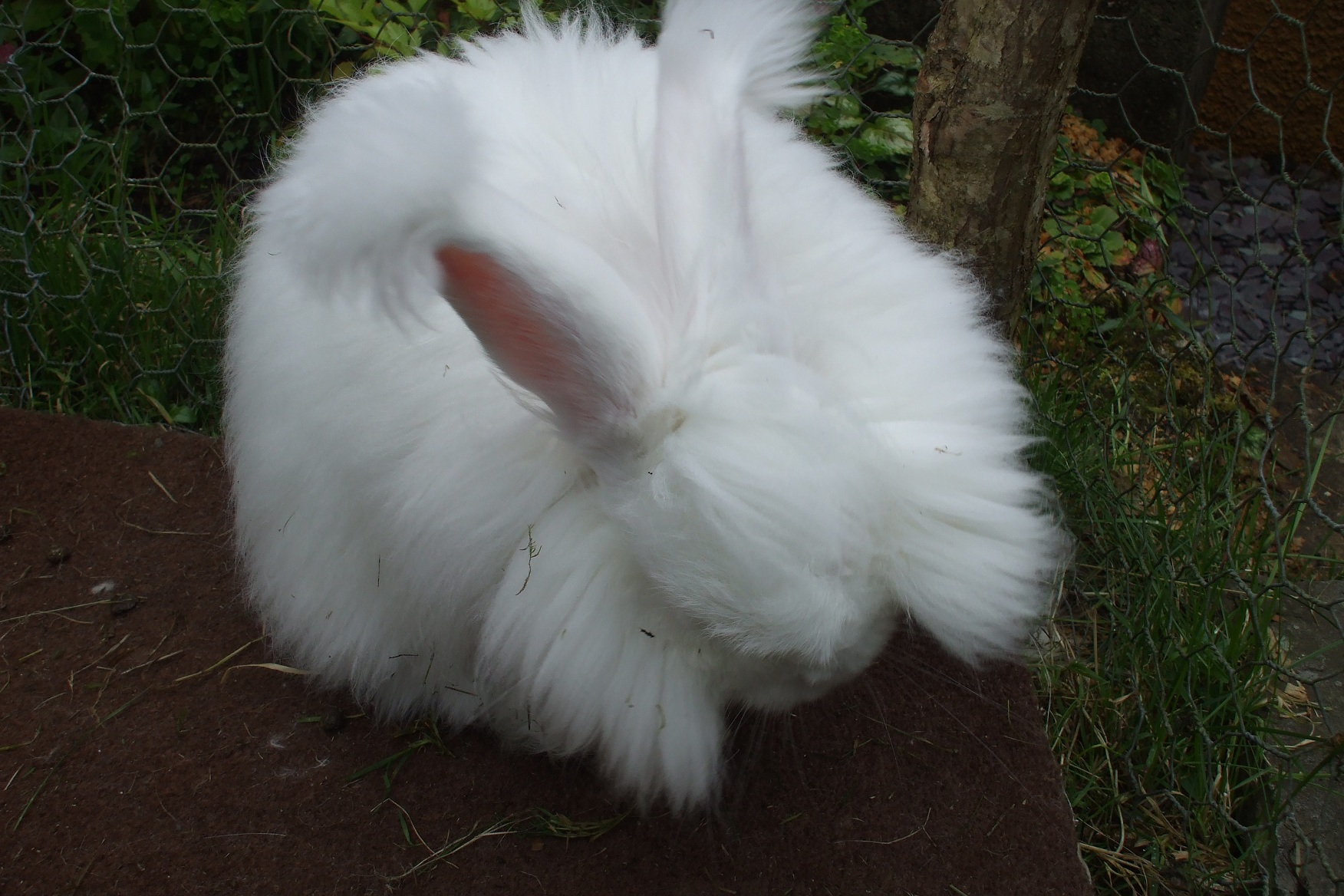
Angora wool comes from Angora rabbits. An adult large Continental can produce up to a kg of wool per year (apparently), but they do need space.
We have a garage-sized shed and a small area of grass so we started to look for livestock.
This is a particular breed we were after and we only had a few contacts. Two rabbits became available so Janet picked up Jessica and Philip (now renamed Roger) from North Wales whilst I built their hutches.
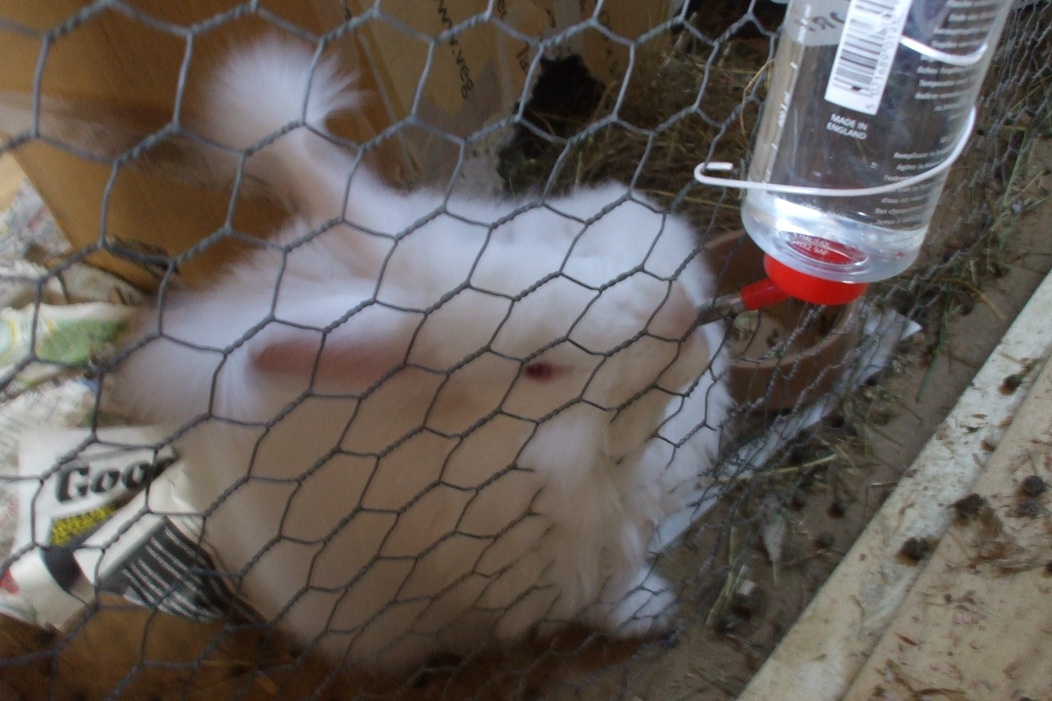
I built four into roughly half the shed, each one approx. 1.75 sq.m. with enough room for them to be able to stand up on their back legs and jump on top of nest boxes.
Searching the internet drew us to another 2 rabbits in Bradford, which we picked up and named Bert and Molly, both white.
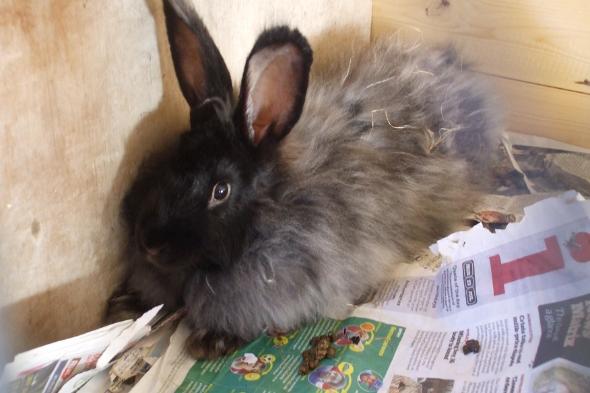
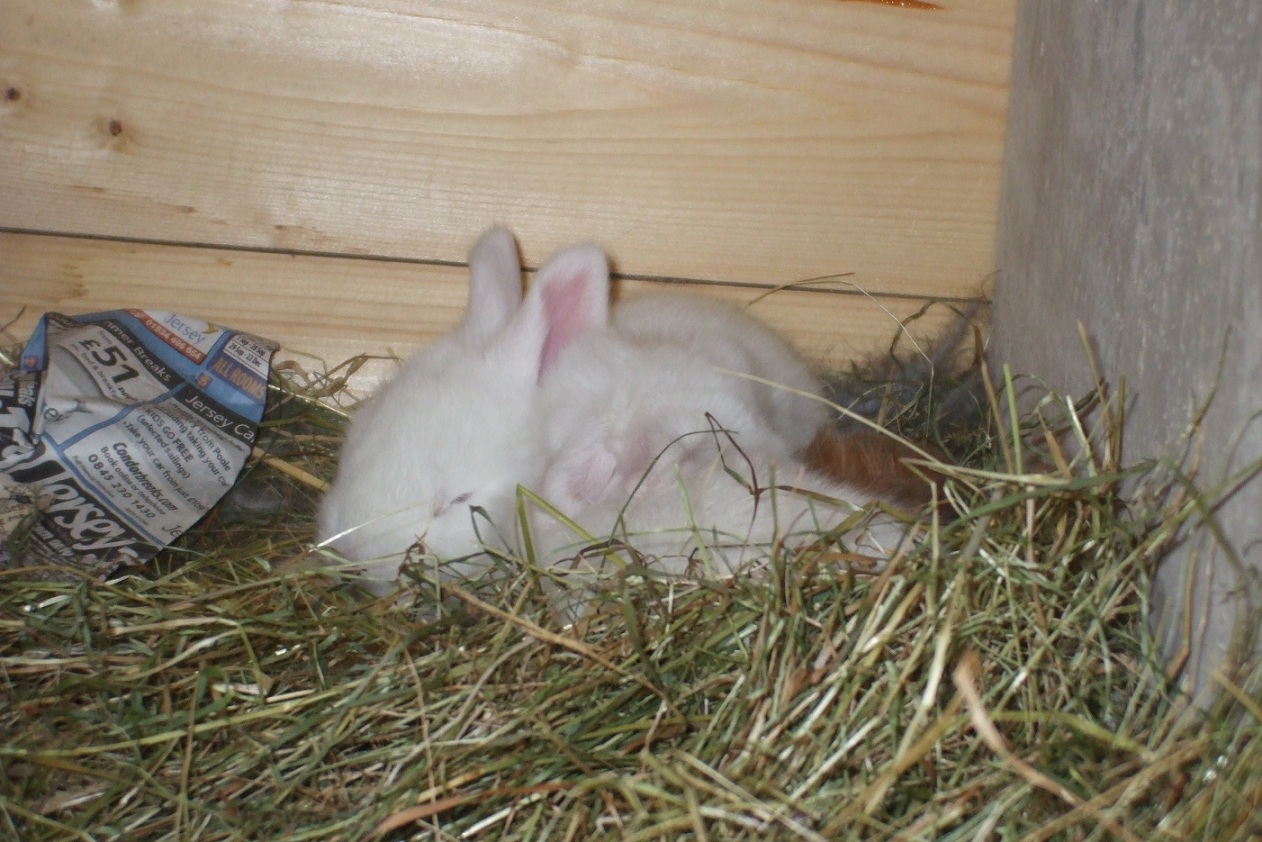
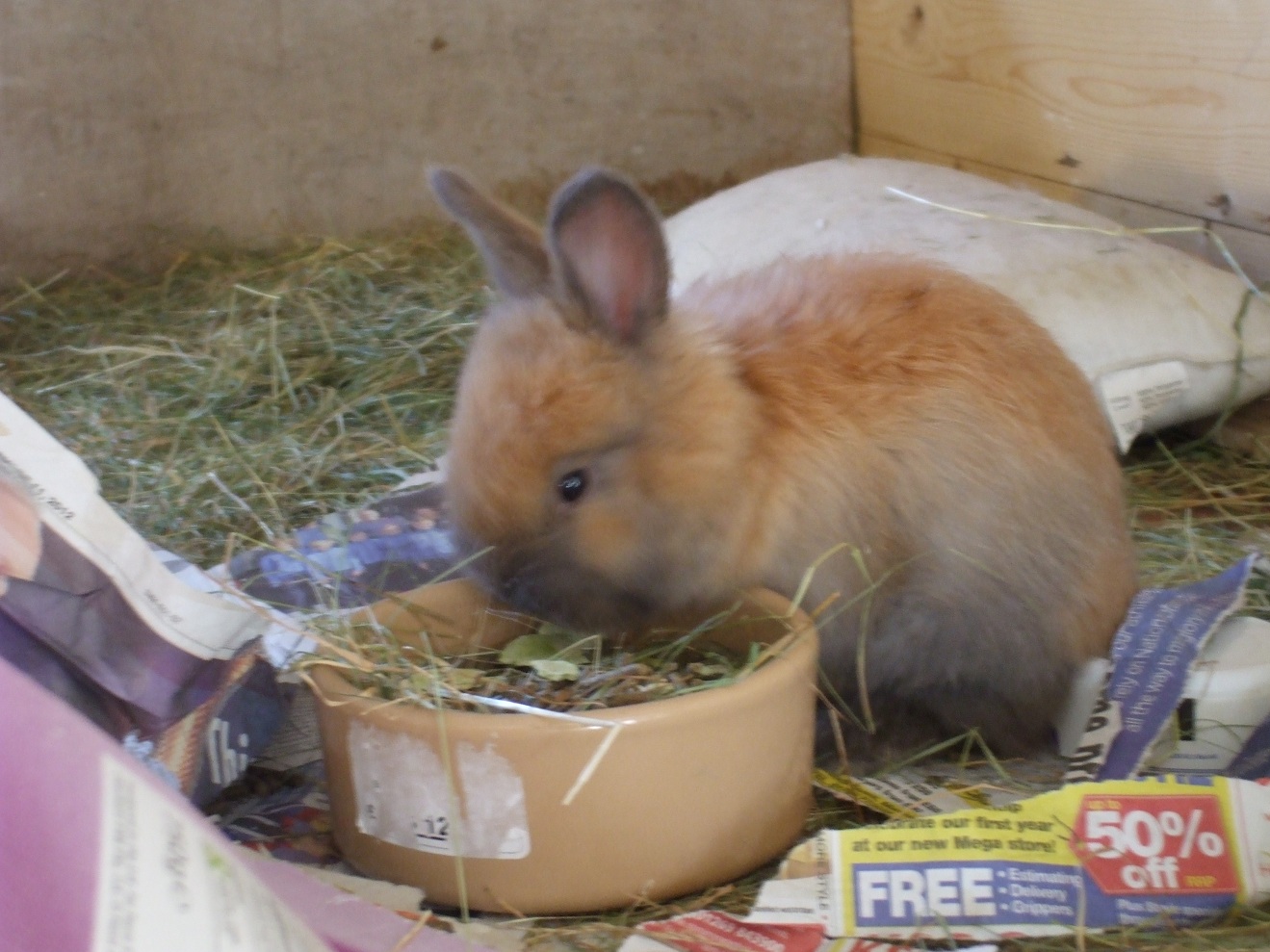
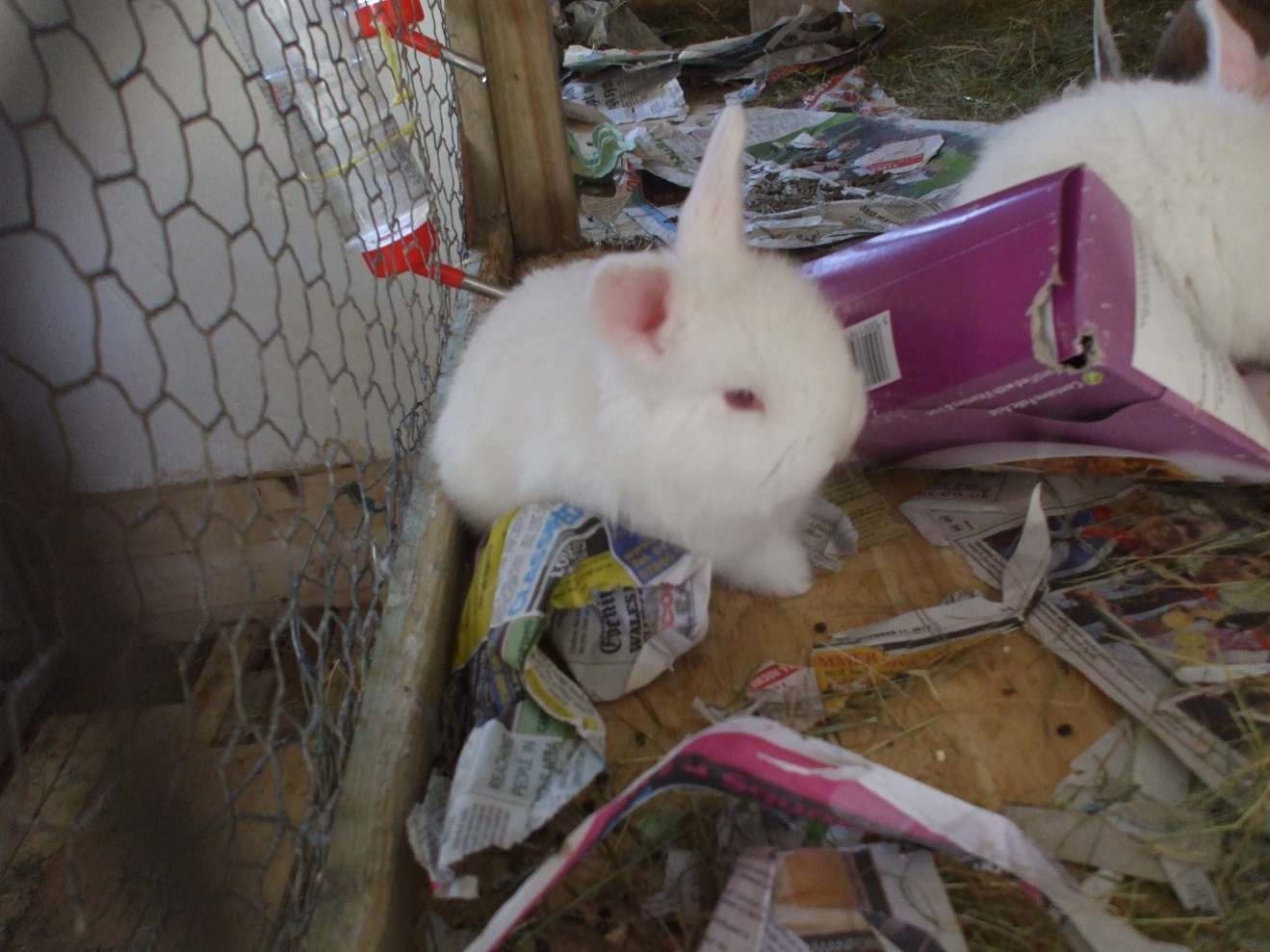
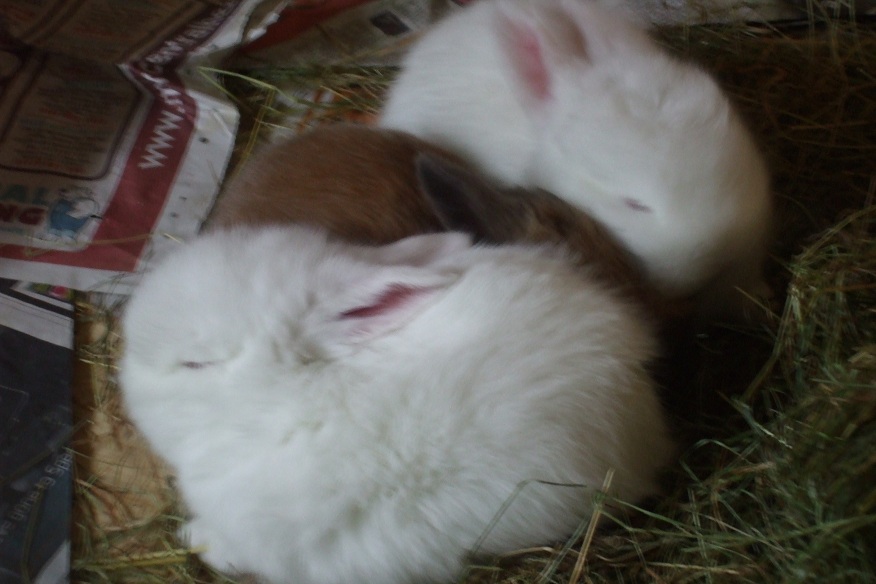
A couple of weeks after settling her in, a little shriek from Janet heralded the discovery of a dead baby. Further investigation revealed 3 more babies still alive and kicking. This explained Jessica's aggressive behaviour to us which we had put down to being a grumpy teenager.
We weren't ready for this so tried to get hold of our contacts for advice.
No one was answering their phones so we searched the internet. The advice we found was to remove the babies for their safety and just bring them back to their mum for 10mins a day for feeding. This was counter-intuitive to us but we decided to go along with it.
Jessica went nuts, was not a happy bunny.
A couple of hours later we managed to get hold of our most trusted Angora mentor who said no, get them back to mum ASAP.
Thankfully Jessica is a good mum and accepted them all back.
This is typical of the conflicting advice we keep finding regarding rabbit care and Angoras in particular.
Almost 2 weeks on, the babies are growing fast, starting to open their eyes and doing well. We're looking forward to seeing them bouncing around their hutch and building yet more runs.
I grew up in the countryside where (at that time anyway) animals were regarded with respect, but subjugated to humans. To be exploited was (still is) a farm animals purpose.
Now we have friends who are animal rights activists who don't agree with the Angora business.
Janet and I have discussed this at length. Taking their wool is exploiting them but, like sheep, they have to shed their wool somehow, giving them food, safe housing, care and attention makes it a more symbiotic relationship. Bringing animals into the World that wouldn't otherwise be born and not giving them total freedom is a deeper issue, accepting the fact that these bunnies wouldn't last very long in the wild.
We have a huge amount of respect for our vegan friends who do lots of good work for animals.
Alternatively finding food and clothing that hasn't made some contribution to environment or habitat degradation, in our current supply chains is also a minefield (which is one of the reasons why we are undertaking this project). Making these decisions is not easy and often tends to boil down to welfare conditions and standards.
So we are striving to set a standard of care for our rabbits which becomes the norm for animal husbandry.
They all have large hutches in which they can run and jump and stand on their back legs, which is a natural behaviour other hutches seldom allow for. They can see each other and whenever it's not raining, allowed out on our small patch of grass.
We do need more outside space for them and this winter they will have to stay indoors most of the time as they should not be allowed to get wet.
Rabbits are social animals and we would like to put a few together but this will result in fighting injuries (same sex) and babies (if not). So we are arranging pens alongside where they can interact.
We will not be breeding to sell.
We would make much more money if we sold on juvenile rabbits but as we could not ensure their well-being and care afterwards, we have decided not to do this.
We will breed to build up our own stock but will then have our rabbits neutered. We are hoping they will then be able to share larger runs.
This is the best we can do for now, but as our experience and the project develops, we have a clear intention to improve their conditions wherever an opportunity to do so arises.